
"global coffee demand"
500 article(s) found

The development of coffee the trend of the world coffee market
The annual turnover of raw coffee beans is the second largest in the world. Coffee is produced in more than 70 countries around the world, with an annual output of 1 million bags. The development of the coffee industry has provided employment opportunities for 100 million people around the world. The international coffee market is at a mature stage. The coffee production of the exporting member countries of the International Coffee Organization accounts for more than 97% of the world's total output. While annual retail sales exceed $70 billion.

Top 5 Coffee Chain Coffee Brands in the World
Coffee is the most popular drink in the world, with about 2.25 billion cups of coffee consumed worldwide every day, making it one of the most important commodities in the world. Brazil is the world's largest producer of green coffee beans, with more than 5 million Brazilians engaged in coffee-related industries. In the Western world, 80% of hot drink sales at many local restaurants and convenience stores come from coffee. Although global coffee demand is not

The coffee industry has come up with a new concept, molecular coffee without coffee beans.
Professional coffee knowledge exchange more information on coffee beans Please follow the coffee workshop (Wechat official account cafe_style) as a crop, coffee bean production is facing uncertainty. studies show that 60 per cent of coffee varieties are threatened with extinction, some of which may begin to disappear within the next 10 to 20 years. In addition, the population is expanding and the global demand for coffee continues to increase.
Demand for coffee in Europe began in the 17th century with charcoal coffee stoves
In the 17th century, demand for coffee emerged in Europe, and small quantities of roasted coffee beans began to be imported to Yemen. In the 18th century, coffee shops were everywhere in Europe, coffee consumption soared, and Yemeni mocha alone was no longer enough. It is estimated that Yemen's coffee bean production in 1970 was about 20,000 tons, which is already insufficient to meet the newly emerging European demand. Bean prices remain high,

The emergence of coffee demand in Europe began in the 17th century
In the 17th century, there was a demand for coffee in Europe and began to import small quantities of roasted coffee beans from Yemen. In the 18th century, with the fragrance of European cafes and the sharp increase in coffee bean consumption, the Yemeni mocha alone was no longer enough. It is estimated that the output of coffee beans in Yemen in 2007 ○○ is about 20, 000 tons, which is stretched to meet the rising demand of Europe. The price of beans is high and the port of Mocha is busy.
The share price has risen sevenfold in three years. Starbucks cooks Golden Coffee.
Although the US stock market has adjusted for two consecutive weeks, the share price of Starbucks, the world's largest coffee and beverage retailer, rose against the trend, reaching an intraday high of US $61.98 on Friday (13th). And finally closed at 61.67 US dollars, once again setting an all-time high of intraday and closing prices. Starbucks shares have risen 27.5% year-to-date, and
The price of Brazilian coffee beans and how to import Brazilian coffee beans
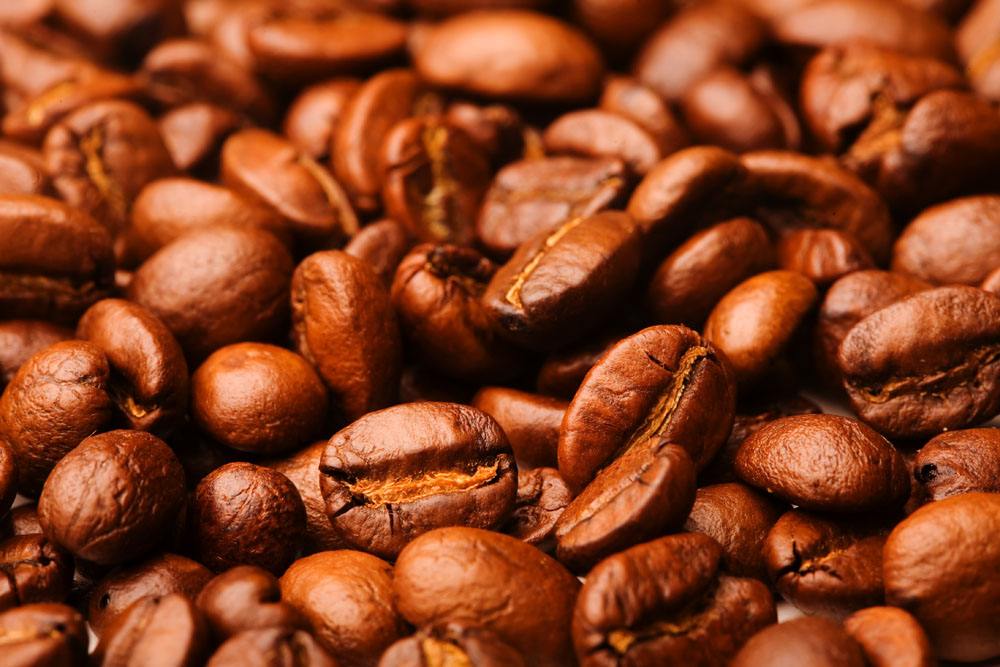
Following Cafe Review (official Wechat account vdailycom) found that the Cafe Beautiful Cafe opened a small shop of its own, the price of Brazilian coffee beans supply one-third of the global coffee demand, but the coffee harvest in Brazil in 2014 was the worst in three years. Coffee prices rose further, once rising above US $2 per pound, and large coffee chains such as Starbucks quickly followed suit to raise the price of coffee drinks. Coffee
Only "4C" beans are selected when purchasing coffee beans in Yunnan.
Coffee is one of the most popular drinks in the world today, with global consumption of more than 1.5 billion cups a day. Today, Nestle Coffee is almost synonymous with coffee because the world consumes 4600 cups of Nestle coffee per second. In order to meet consumer demand, Nestl é has set up 26 Nestle coffee production plants around the world, two of which are located in China. After several years of training and preparation, since
Coffee beans rising prices Brazil coffee beans rising prices coffee growing in coffee areas
Photo: Brazil is the world's largest coffee producer, with 17 of the 21 states producing coffee. Brazilian coffee workers are collecting coffee beans on February 16 (Reporter Zheng Yunyang) since it was introduced into Europe via Italy, the smell of coffee has spread to every corner of the world. Production in Brazil, the world's largest coffee producer, has declined in recent years, with coffee prices rising 50% year on year in 2014.

Where is the coffee growing place in China? what's the quality, flavor and taste of coffee beans in Yunnan, China?
Although Yunnan has an ideal coffee growing climate, Nestl é is also committed to maximizing the output value and crop value of coffee in the region. Nestl é has cultivated coffee seeds suitable for local soil conditions and climate. It provides Yunnan farmers with the most advanced knowledge and technology to improve the growth of the local coffee growing industry.
Global climate change is serious, will Australia become a suitable new coffee growing area?
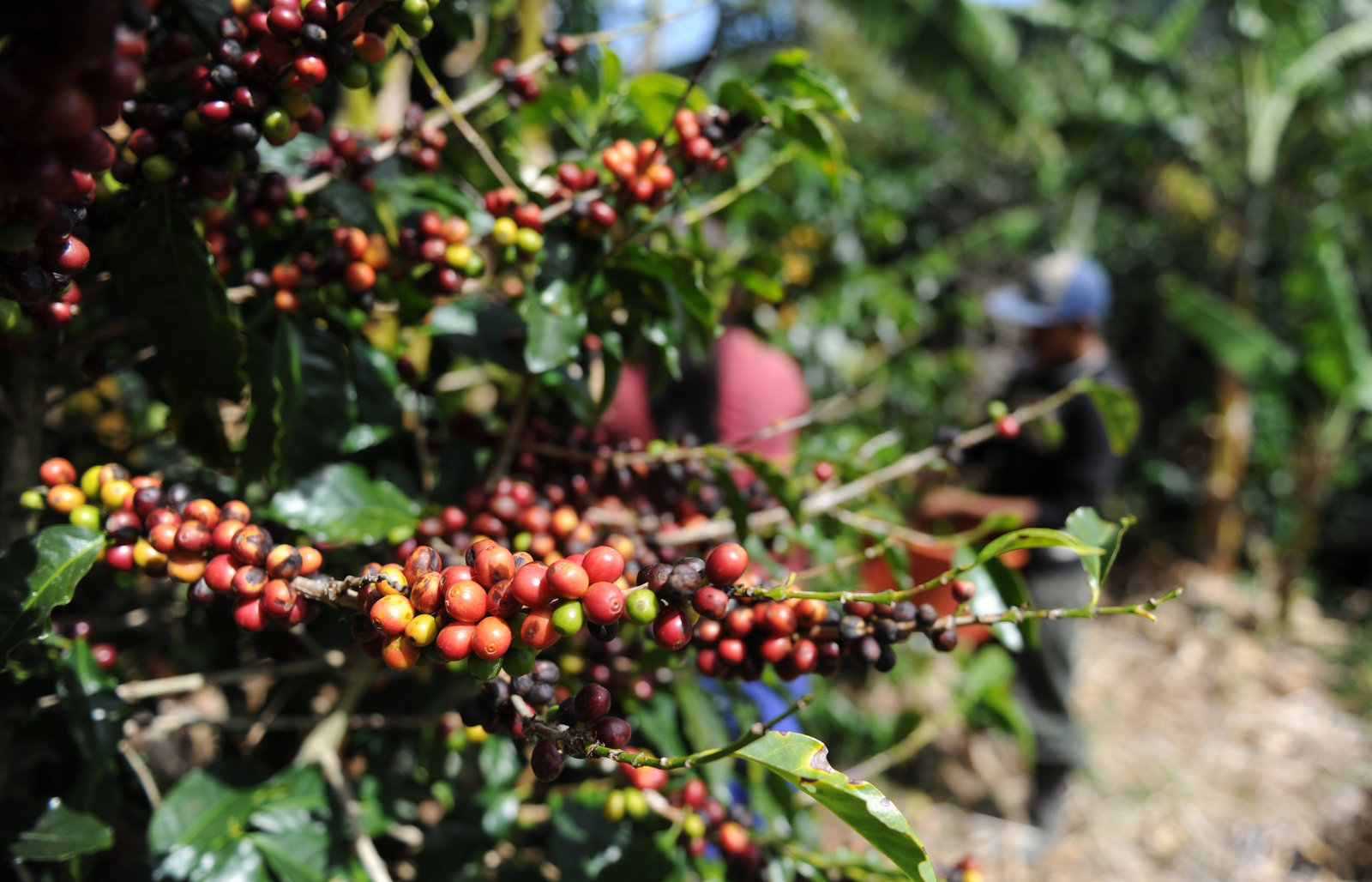
Professional coffee knowledge exchange More coffee bean information Please pay attention to coffee workshop (Weixin Official Accounts cafe_style) As early as a few years ago, the coffee industry has sounded the alarm that climate change threatens the supply of coffee beans. But the situation remains grim today. Greg Meenahan, partner director of World Coffee Research, a nonprofit research institute, describes it as expected by 2050

China's coffee consumption will maintain an annual growth rate of about 20%
For coffee to be truly successful in China, it will have to convince less-visited regions that coffee can complement or even replace tea, especially for some unique coffee varieties. The Wall Street Journal website once reported that as the economic development slows, China's commodity demand may be slowing down, but in a country with a tradition of drinking tea, coffee is even more expensive.

Coffee culture the emergence of coffee demand in Europe began in the 17th century.
In the 17th century, there was a demand for coffee in Europe and began to import small quantities of roasted coffee beans from Yemen. In the 18th century, with the fragrance of European cafes and the sharp increase in coffee bean consumption, the Yemeni mocha alone was no longer enough. It is estimated that the output of coffee beans in Yemen in 2007 ○○ is about 20, 000 tons, which is stretched to meet the rising demand of Europe. The price of beans is high and the port of Mocha is busy.

Coffee culture the emergence of coffee demand in Europe began in the 17th century.
In the 17th century, there was a demand for coffee in Europe and began to import small quantities of roasted coffee beans from Yemen. In the 18th century, with the fragrance of European cafes and the sharp increase in coffee bean consumption, the Yemeni mocha alone was no longer enough. It is estimated that the output of coffee beans in Yemen in 2007 ○○ is about 20, 000 tons, which is stretched to meet the rising demand of Europe. The price of beans is high and the port of Mocha is busy.

Indonesian Coffee Industry Export and production of Indonesian Coffee beans Robusta makes instant coffee
Indonesia is the world's third largest coffee producer and exporter after Brazil and Vietnam. Indonesian companies offer a full range of quality coffee, from the ordinary Robusta variety to the outstanding Arabica coffee and the famous kopi luwak Indonesian Kopi Luwak. Over the past few decades, national coffee production has increased, although not linearly, because of the harvest.
The share price has risen sevenfold in three years. Starbucks cooks Golden Coffee.
Despite a two-week correction in US stocks, the share price of Starbucks, the world's largest coffee and beverage retailer, bucked the trend, reaching an intraday high of $61.98 on Friday and closing at $61.67. once again set an all-time high for intraday and closing prices. Starbucks shares have risen 27.5% year-to-date, compared with the company in 2008.

Global coffee production in 2017
Global coffee production in the first half of 2017, the main export markets of Vietnamese coffee were the 28 member states of the European Union and the United States, of which Vietnamese coffee exports to EU countries reached 738 million US dollars, an increase of 8.6% over the same period last year, accounting for 43.2% of the country's coffee exports. Vietnamese coffee exports to the United States reached US $222 million, an increase of 39.1% over the same period last year due to the devaluation of the RMB.

Arabica coffee beans hand brewing method the correct ratio of water to powder describes in detail how many coffee beans are used to make a cup of coffee
Detailed description of the ratio of Arabica Coffee Bean hand-made Water to Powder judging from the ups and downs of the global coffee trade, the price of Robusta is rising rapidly. According to the demand-driven growth in economics. According to the law of driving prices, the demand for Robusta coffee beans around the world is increasing year by year if you choose American-style coffee beans.
New York Futures: Arabica coffee futures rise on expectations of global supply shortages
New YORK / London (Reuters)-ICE Arabica coffee futures rose on Friday as an industry body expected global supply shortages due to a drought in Brazil and a stronger real. ICE raw sugar futures closed flat, while cocoa futures fell, hurt by abundant supply of new works in West Africa. ICE- March Arabica Coffee Futures (KCc2) closed up $1.85

What is the disease of coffee planting that harms coffee leaf rust?
In the past 20 to 25 years, there has been a strong global demand for raw coffee beans. In order to increase production, many coffee farmers in Central America have abandoned the traditional shade planting technique and used sun exposure to grow coffee. Due to the loss of the protective effect of the crown and the reduction of biodiversity, the control of diseases and insect pests can only be more dependent on the use of pesticides and fungicides, which not only destroys the original complex health.